
Government housing for First Nations people on reserves in Canada
--otherwise known as First Nations Housing
In the early 1970s when I moved to Tsartlip Indian Reserve. The first thing I noticed was fleece hanging everywhere. I soon learned that everyone knit the famous Indian sweaters, which came to be known as Cowichan sweaters. I was a creative teenager and I was excited. I loved wool, yarn and handwork.
But soon I became overwhelmed by the poverty. And especially the most obvious expression of destitution—the houses. When I visited friends I could see through the walls, electrical wires were strung on nails, the lights dimmed when the refrigerator came on, the wood stoves were often thin metal barrels with stove pipes wrapped in blankets sticking out a window. I knew enough to be scared. I found out later that 10 times as many First Nations people died in house fires as the rest of Canadians.
Housing in First Nations communities across this country is a national disgrace. The societal devastation rivals if not surpasses that of residential schools. Yet most Canadians do not understand what they are seeing when they drive through a reserve and see houses unlike anything they see elsewhere in this country. This is the history I tell in my Phd and web book Deliberate Indifference.
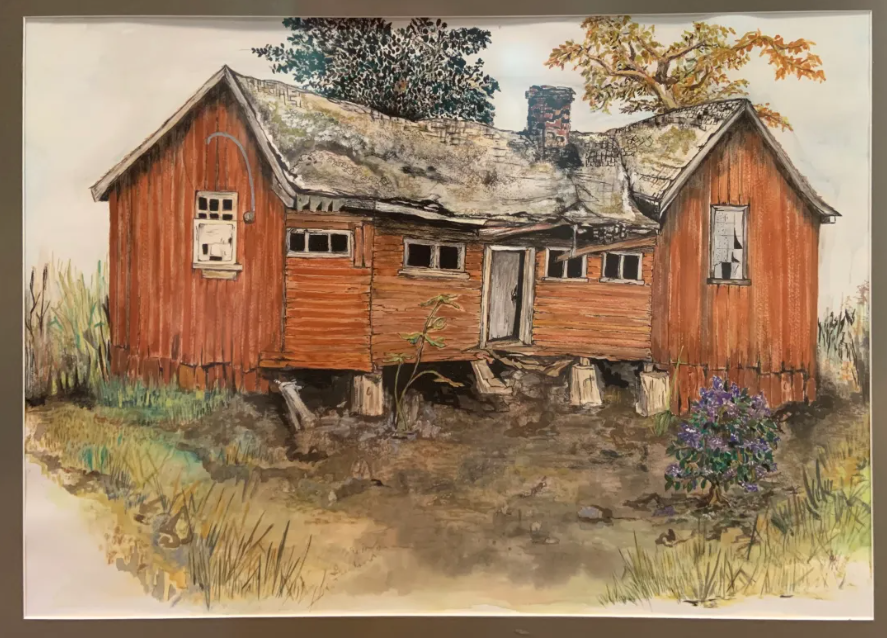
The original Olsen residence in Tsartlip shortly before it was demolished in 2003. The little house was home to 12 family members and other relations and neighbours,
“For far too long the on-reserve housing crisis has been framed as an ‘Indian problem’, but this characterization is both inaccurate and, for me, a First Nations man, it is deeply offensive.”
— Adam Olsen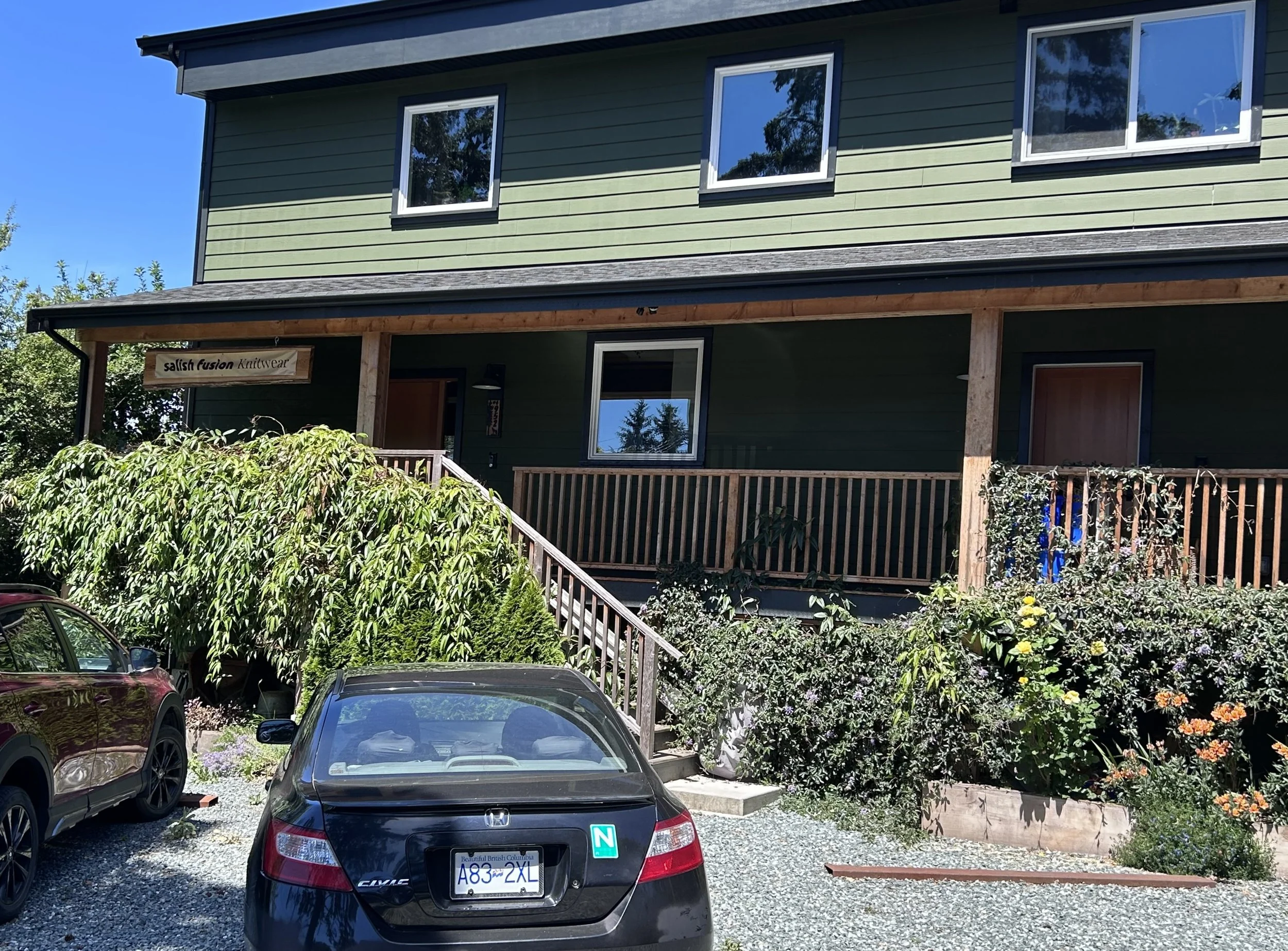
Joni Olsen’s personal housing solution. She built her own 4 plex to ensure her family and others have a safe place to live. As well as a place to sell her knitting, like her grandmothers have done for generations.
“The key question is not “Can First Nations manage themselves:” The answer to that is “Of course we can.” The key question is “Can government get out of the way?” And, in the on-reserve housing sector, we have yet to see that happening.”
— Adam Olsen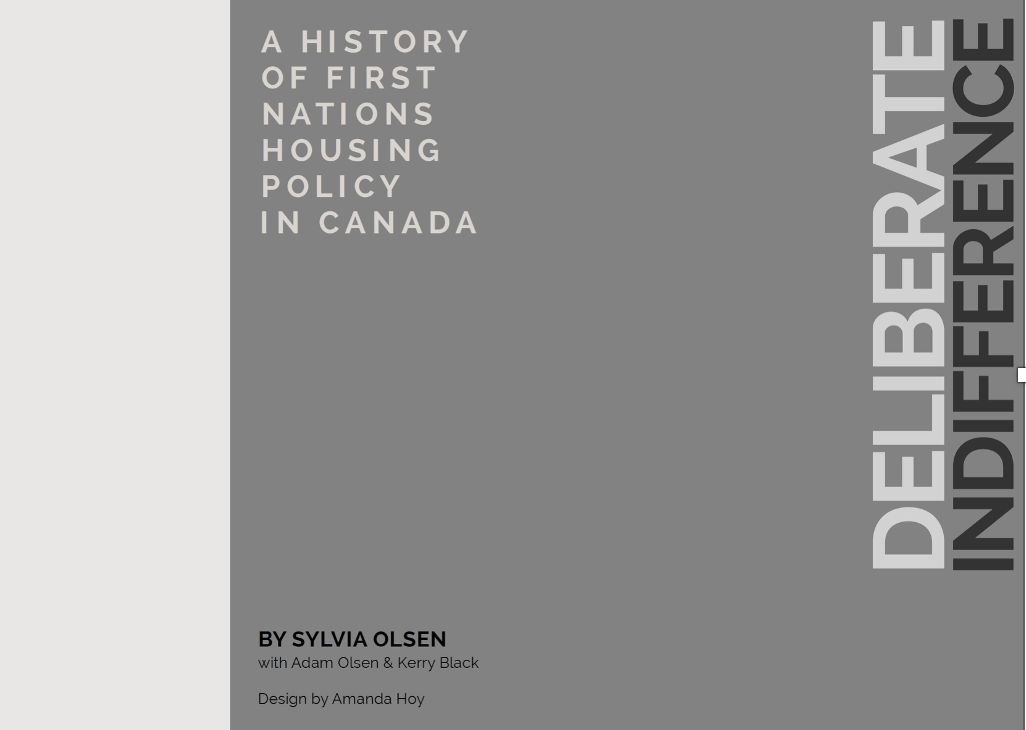
Read Deliberate Indifference
Read the full dissertation
Presentations
Dr. Sylvia Olsen and Adam Olsen will join your group for a full First Nations housing presentation and Q&A